
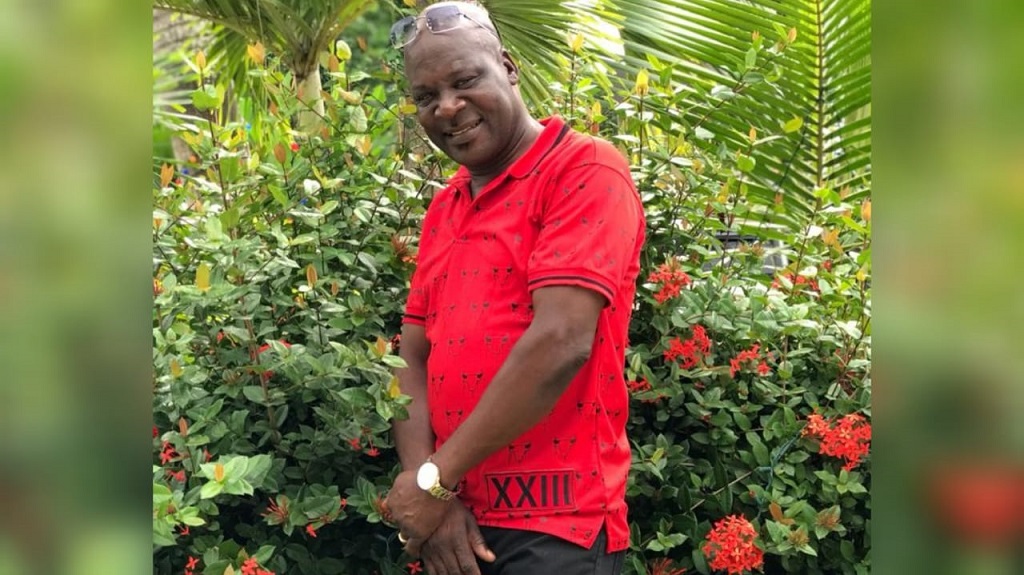
After three surgeries and seven years of battle with breast cancer, Donavan Chevannes trusts God for getting him to this point in his fight against a rare disease in men.
The 58-year-old former driver is still on the road to recovery, but looks forward to the day when he will be declared cancer-free and considered a “breast cancer survivor.”
Until that day comes, Chevannes thank God for his blessings thus far.
“I wouldn’t even want my enemy to have this (breast cancer)… I fought from 2015 to 2022 and look I’m still here… it’s over,” she said. Cycle News in an interview.
Guava Ridge, an eastern rural St Andrew resident, did not know she had breast cancer until 2017, despite being diagnosed with cancer two years ago.
She shared that she always wears deodorant and sees the occasional disappearing “bump” in her armpit. But once he realized that the lump had appeared and would not go away with time.
In 2015, Chevannes’ wife, Lorna, poked him to check the lump at their family doctor. The medical doctor prescribed a cream for this as it was initially thought to be an abscess.
But the cream did not help, and the swelling remained.
Chevannes said he was immediately referred by his doctor to University Hospital of the West Indies (UHWI), where he was biopsied. Result: cancer detected.
“The doctor said, ‘You have cancer,’ and I said, ‘Really?’ I asked him and he said, ‘Yes,'” she said, adding that she was not initially told what type of cancer she had.
He was in a state of amazement.
“It hit me in what I thought was a lump,” she said, telling her doctor that her hunch might have been caused by her deodorant.
But the medical doctor rejected this theory.
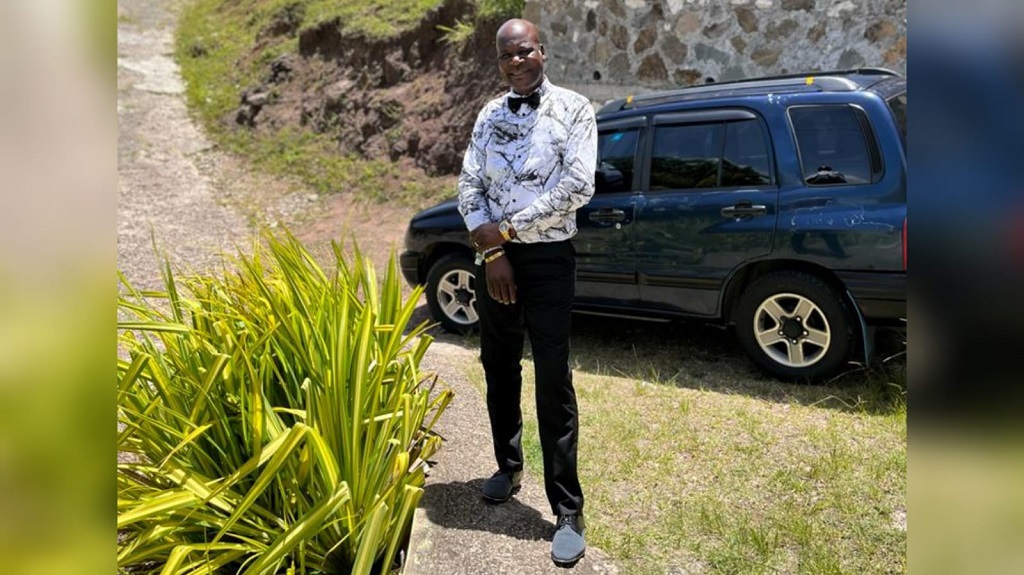
Guava Ridge, St Andrew’s resident Donavan Chevannes has been battling cancer for the past seven years.
Chevannes said that as the news deepened, fear increased, but anchored in the Christian faith.
“You know, I walk and I talk the same way to everyone. I was worried but I trusted God and left it there because he’s the only one, he’s the miracle worker,” she said. .
In 2015, an appointment was made and surgery was performed to remove the lump in the armpit.
Two years later, medical doctors advised Chevannes that they should have another surgery. She was also officially notified that she had breast cancer.
“Once, they (doctors) were saying it was skin cancer depending on where it was, but they settled on breast cancer, which is very rare among men.”
Chevannes also explained that doctors cannot tell at what stage the cancer is because the cancer is not moving and is not aggressive.
While the disease is rare in men, representing about one percent of all cancer cases in the U.S., medical doctors stressed that men should be aware and report any lump in the breast or breast.
In men, breast cancer usually manifests as a lump in the breast, dimpling of the skin, or a change in the nipple.
“They[doctors]were saying we should go wider because they don’t know if[the cancer]has spread to the other side, so they have to go in with a wider margin.
“So they cut me off in the same place again in 2017 because I don’t feel any pain or anything in my chest,” he said.
After the surgery, someone’s father said he was on medication.
But his worries were not over.
“They said I had to do another surgery in 2020 because that pill didn’t seem strong enough and (the cancer) came back. It was in the lymph nodes,” he said.
By June 2020, Chevannes had another surgical operation and cancer-affected lymph nodes were removed and sent overseas for testing. He said his brother paid for this test to be done.
When they got the results, the doctors put Chevannes on chemotherapy. This involved injecting it into his leg and someone else’s stomach. Additionally, she started taking one tablet a day.
Chevannes, a member of the Firstborn International Church Councils on Guava Ridge, said the cancer diagnosis was also difficult for her family.
“[On one occasion] When my wife came to the hospital she told me she was walking, but she’s not walking. It’s like he’s not here, especially when I’m doing the surgeries and going home from the hospital. my god! They are pushing too hard,” he explained.
Despite the difficulties, his wife and daughter, Chantae, continue to play a critical role for him.
Likewise, his siblings, who also provided significant support in beating breast cancer.
The National Health Fund is also critical, he said, as it helps reduce drug costs and other expenses.
Despite getting worse since her last surgery in 2020, she still undergoes monthly chemotherapy treatments and takes her oral medications.
The 58-year-old admitted that she continued to follow her treatment routine, although it was difficult at times.
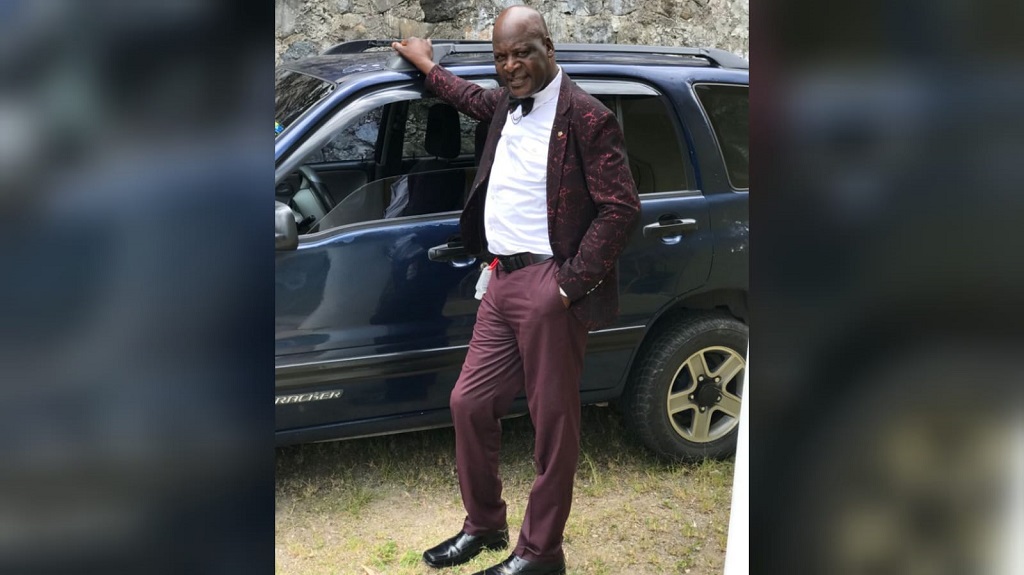
Donavan Chevannes looks forward to the day he will be declared cancer-free.
“I’m still going through my recovery. Some people have their own healing process in a very short time, but mine is very long,” Chevannes said.
“There’s no giving up in my thinking, but there are times when there are moments of boredom depending on how you feel, because… sometimes you just have to get up and sit in bed. it depends on how you feel.
“I’ve come so far and it’s not as bad as it used to be,” he said.
Chevannes revealed that she had an ultrasound done last week and there were positive signs. But he said he would wait for the doctor to evaluate the results before coming to any conclusions.
“It’s been an uphill and downhill battle for me. I’ve had sleepless nights. But you know, I have to do what I have to do,” Chevannes said resolutely.
He added, “The greatest thing is Allah is my proof for everything. He is the one who made me succeed.”
Chevannes, who used to be a chauffeur and now works as a chauffeur for a company, once again emphasized the importance of friends and family in her battle with breast cancer.
“All these operations come with a price, and as I’ve said before, God always puts some people in your corner to make things a little bit easier.
“You have friends and family.
Chevannes encourages men to be screened for all types of cancer.
“Get tested! If it’s something you can detect early, it’s better for you and you can be treated,” she advised.
He said that if cancer is detected, family members should also play a role in supporting their loved ones.
“What a lot of people don’t realize is that they can’t identify what you’re feeling, what you’re going through, what’s on your mind when you’re going through a situation, but it’s best for you to encourage as much as you can,” she said.
“This is when families need to approach and help when in a situation like this, because the words you use can encourage a person to move on.
“They won’t be at this stage forever. At a time like this, family is the most important thing to you,” Chevannes insisted.