
CNN
🇧🇷
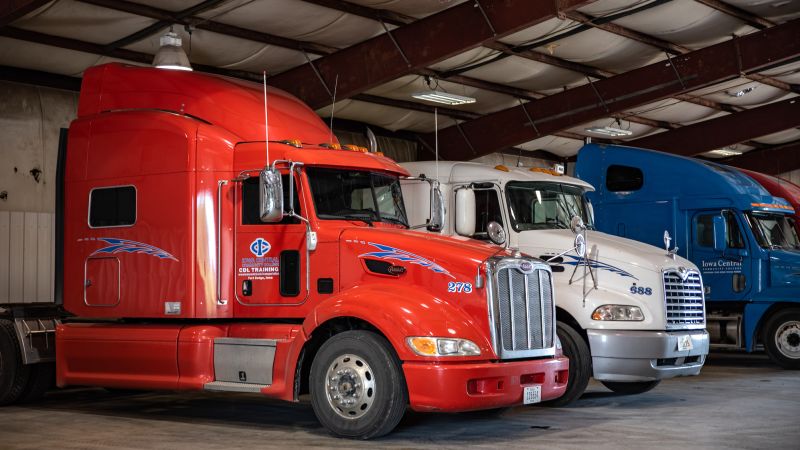
The Biden administration on Tuesday finalized stricter pollution standards for heavy-duty vehicles such as large trucks, delivery vans and buses starting in model year 2027.
The Environmental Protection Agency’s new rule is the first update to the standards since 2001. It will reduce pollution and soot from heavy-duty trucks, requiring them to reduce nitrogen oxides emissions by nearly 50% by 2045 and will be more than 80 % stronger than the current standard, the agency said.
EPA Administrator Michael Regan said in a statement that the new rule would protect public health, “especially the health of the 72 million people who live near truckload routes in America, including our most vulnerable populations in communities historically burdened”.
The agency estimated that the rule would result in up to 2,900 fewer premature deaths, 18,000 fewer cases of childhood asthma and 6,700 fewer hospital admissions.
It also estimated that the rule will lead to 78,000 fewer lost work days, 1.1 million fewer lost school days for children, and an overall net benefit of $29 billion.
Transportation is the largest source of planet-warming emissions in the US, with the average domestic vehicle accounting for more than 50% of the industry’s total emissions. Heavy vehicles, such as large trucks and buses, account for around 23%; Fewer of them are on the roads, but because of their size and their fuel needs, they contribute an outsized proportion of air pollution and planet-warming emissions.
A Mack LR all-electric garbage truck was parked behind the speakers’ podium during a ceremony to announce the new rules.
After the ceremony, Mack spokesman John Mies said the company supports long-term zero emissions goals for trucks and is also working to reduce harmful emissions from diesel trucks. Mack is part of the Volvo Group of truck companies, which is separate from the company that makes Volvo passenger cars.
“It’s clear that the new standard is very challenging,” Mies said in an email. “Furthermore, the rule is extremely complex, so we need time to review it and understand what it means for our customers, dealers and employees.”
While the new rule is much stricter than current standards, environmental and public health groups have called for even stricter standards.
Britt Carmon, a federal advocate for clean vehicles with the Natural Resources Defense Council, said in a statement that the new rules leave more to be done and the EPA must “move quickly” to transition to zero-emissions trucks.
“After two decades of inaction, the EPA is finally moving to reduce harmful truck exhaust pollution,” said Carmon. “But these standards fall short, and the agency has missed a critical opportunity to reduce soot and pollution and accelerate the shift to cleaner vehicles.”
California’s new rule for heavy vehicles, for example, is 90% stronger than current regulations. And earlier this year, California state regulators criticized the EPA’s pollution rule for missing the big picture of the shift to electric trucks.
But the agency said the Tuesday finalization rule is just a first step.
In the spring of 2023, the EPA is expected to release its proposed “phase 3” greenhouse gas standards for heavy-duty vehicles beginning in model year 2027. The agency is also expected to release new emissions standards for light vehicles and proposed averages for 2027 and beyond model year vehicles in the spring.
Regan said these rules, in addition to climate and clean energy investments in a pair of infrastructure and climate laws already passed, “will accelerate President Biden’s ambitious agenda to overhaul the nation’s truck fleet, provide cleaner air and protect people and the planet”.