
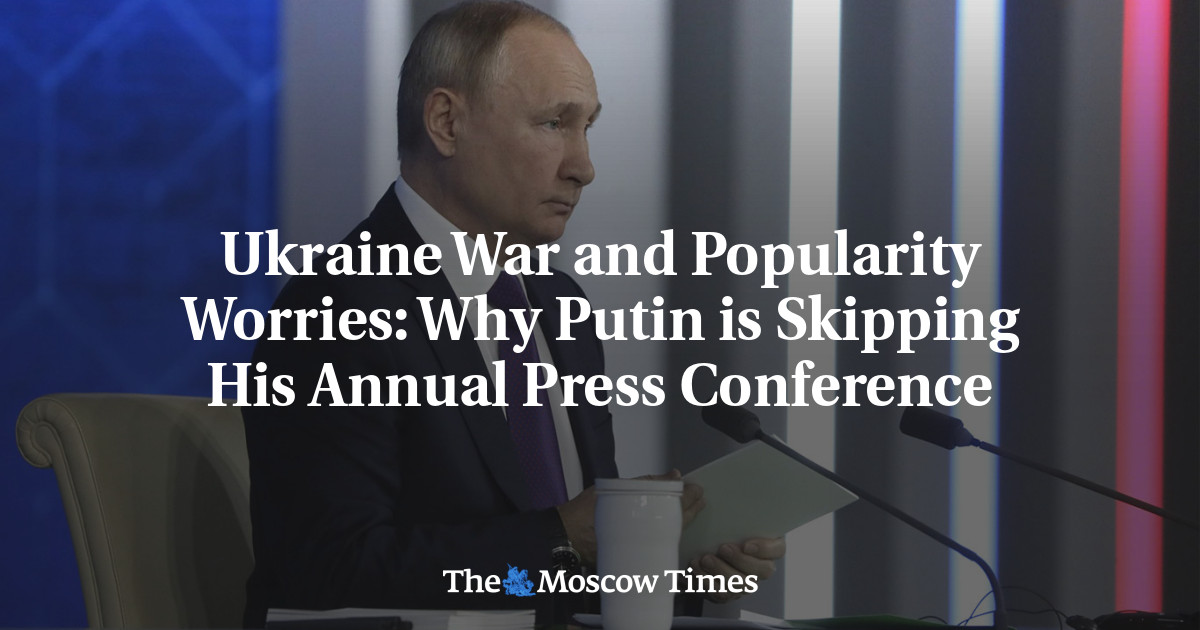
O cancellation Russian President Vladimir Putin’s annual press conference earlier this week was a last-minute decision made due to growing fears that the televised event would be dominated by the war in Ukraine, six Kremlin and government officials told The Moscow Times.
Putin has held 17 of these press conferences – a part of the Russian political calendar – since he became president in 2000, and they traditionally offer him a chance to show his mastery of the issues of the day.
In particular, there were concerns in the Kremlin that Kyiv could stage a major attack ahead of the event.
“No one could give a 100% guarantee” that such an attack would not happen, a Kremlin official told The Moscow Times on condition of anonymity.
“The president was aware of this and it was a strong argument against holding the press conference.”
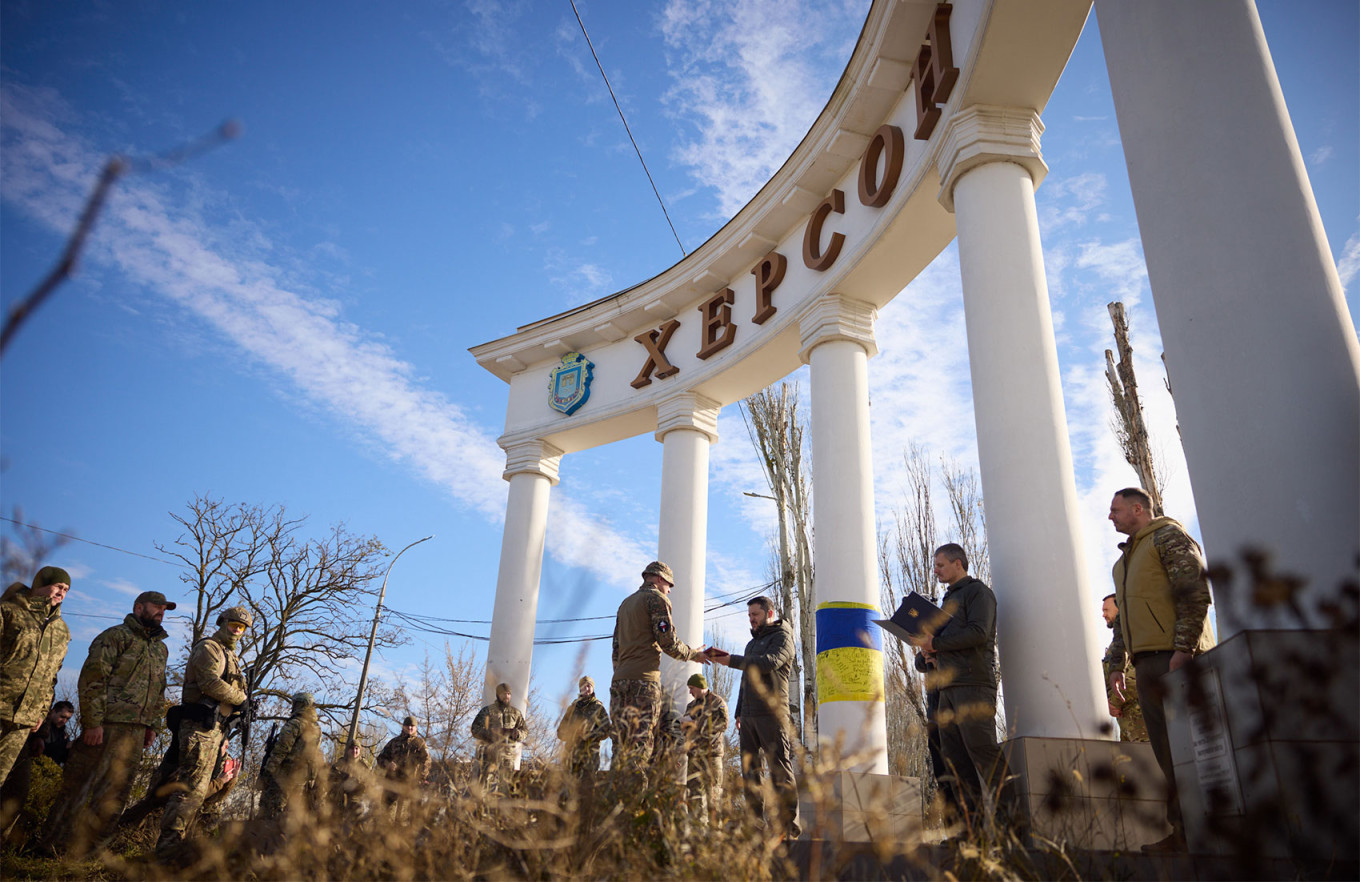
Russia has suffered a series of military humiliations in Ukraine in recent months, including its retreat of Kherson, the only Ukrainian regional capital occupied by Russian forces in the 10-month invasion, and apparent Ukrainian drone strikes at airfields in the interior of Russia.
The decision to skip the press conference is a rare sign of how events on the battlefield are directly impacting political decision-making in Moscow.
Rosavtodor
But it is not the only major political event the Kremlin has pushed aside amid the fighting in Ukraine.
Putin has not held his traditional television show this year – the last such event took place in June 2021. And the Kremlin has yet to set a date for the annual state-of-the-nation address to lawmakers, despite Putin’s spokesman Dmitry Peskov , promising in September would happen this year.
Preparations for Putin’s marathon press conference, which involves Russian and foreign journalists and can last up to four hours, were well advanced when Putin chose to pull the plug, according to six Kremlin and government officials and a senior adviser. government relations at a major Russian agency. company that everyone requested anonymity to speak freely.
Speechwriters were even tasked with working on key topics the president would focus on, according to two officials.
“The situation on the front lines was discussed and how it was not developing in the most favorable way,” the Kremlin official said. “But everyone nodded – the boss is a rock, he can handle it. He won’t want to cancel [the press conference], and his skill and experience working in ‘big genres’ will allow him to turn the situation in his favor. After all, Russia today is really a besieged fortress and Putin is its commander.”
But doubts began to surface among senior officials last month, according to those familiar with the discussions.
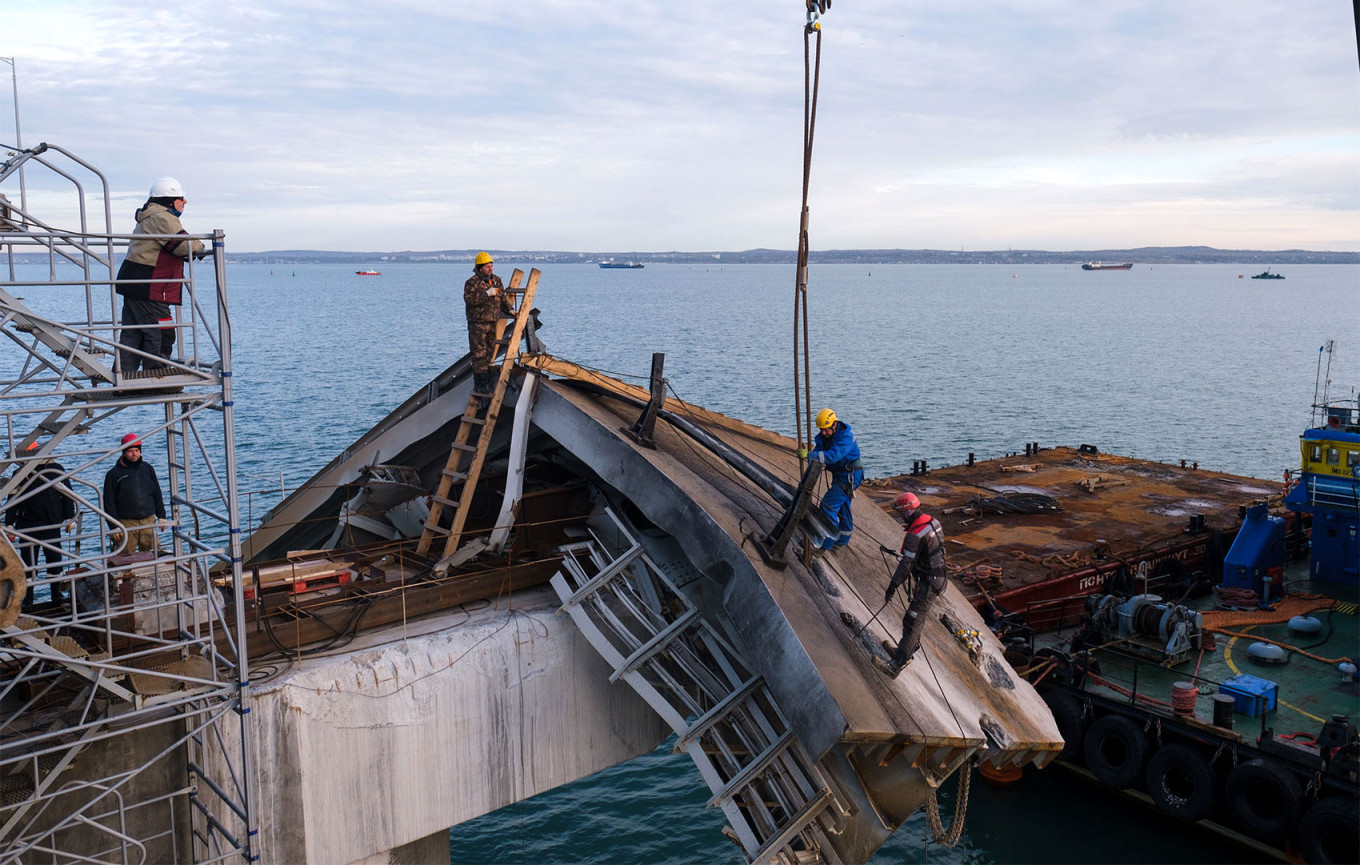
In particular, it was the military setbacks in Ukraine that began to worry event planners: the withdrawal of the Russian Armed Forces from occupied Kherson, the explosion on the Crimean bridge, problems associated with the mobilization campaign and Ukrainian attacks on Russian territory.
The last straw for the president was the inability of the security services to ensure that a major Ukrainian attack would not take place in the period immediately preceding the press conference, according to the Kremlin official.
Similar fears exist among those in the Kremlin who are preparing for Putin’s state of the nation address, according to Russian officials who spoke to The Moscow Times.
State news agency TASS reported Wednesday that the speech, delivered to both houses of parliament, would be postponed to 2023.
One of the Kremlin’s other major concerns for Putin’s appearances, such as the press conference and State of the Nation address, is that associating Putin too closely with the war will have a negative impact on his popularity.
President of Ukraine / Flickr
While draconian censorship laws make it extremely difficult to gauge the attitude of ordinary Russians towards the war in Ukraine, recent leaked government polls suggest that combat fatigue may be spreading.
A survey by the Kremlin commission reported by independent media Meduza last month showed that 55% of Russians are in favor of peace talks with Ukraine, while independent journalists Farida Rustamova and Maxim Tovkaylo reported Last week, a government-linked poll suggested that 60% of Russians believe Putin did the wrong thing by starting the conflict.
“Notice how the ‘boss’ was silent about Kherson’s surrender for over a month,” said the second Kremlin official. “Any statement about the retreat instantly diminishes its popularity… Others must take the blame.”
If the press conference had taken place, it would have been impossible to prevent the war in Ukraine from becoming its main topic, according to all six officials who spoke to The Moscow Times.
Traditionally, at the highly scripted event, Putin devotes a lot of time to answering questions about social issues – such as housing and healthcare – as well as offering to help with specific local issues. But it would have been extremely difficult to impose such an agenda this time around.
“Most questions would have been like, ‘My brother was mobilized and got a helmet since 1942 and we had to buy him shoes with our own money… Vladimir Vladimirovich, sort this out!’ And other questions would have been even more inappropriate,” said a second Kremlin official.
Peskov declined to answer written questions from The Moscow Times about the reasons for canceling the press conference.
But he told reporters on Monday that would not happen this year – and did not give an alternative date in 2023.
Rather than having the president give a speech to the Federal Assembly and hold his annual press conference, the Kremlin is looking to associate Putin with “good news” stories, according to officials.
Officials at four major companies in the energy, transport and communications sectors confirmed to The Moscow Times this week that they have received inquiries from the presidential administration about positive events in which Putin could be included.
Lately, Putin has been participating in an unusually large series of public events: from the opening from a turkey farm for nuclear power agency anniversary celebrations rosatom and defense conglomerate Rostecand the Opening of a newly repaired highway.
Canceling the press conference and postponing the state-of-the-nation speech were tactically wise moves, according to political analyst Abbas Gallyamov, a former speechwriter for Putin.
But this creates long-term problems for the Russian leadership which cannot publicly ignore the issue of war forever, he told The Moscow Times.
“This decision testifies to the strategic impasse the Kremlin finds itself in,” Gallyamov said.